
New Fotut.
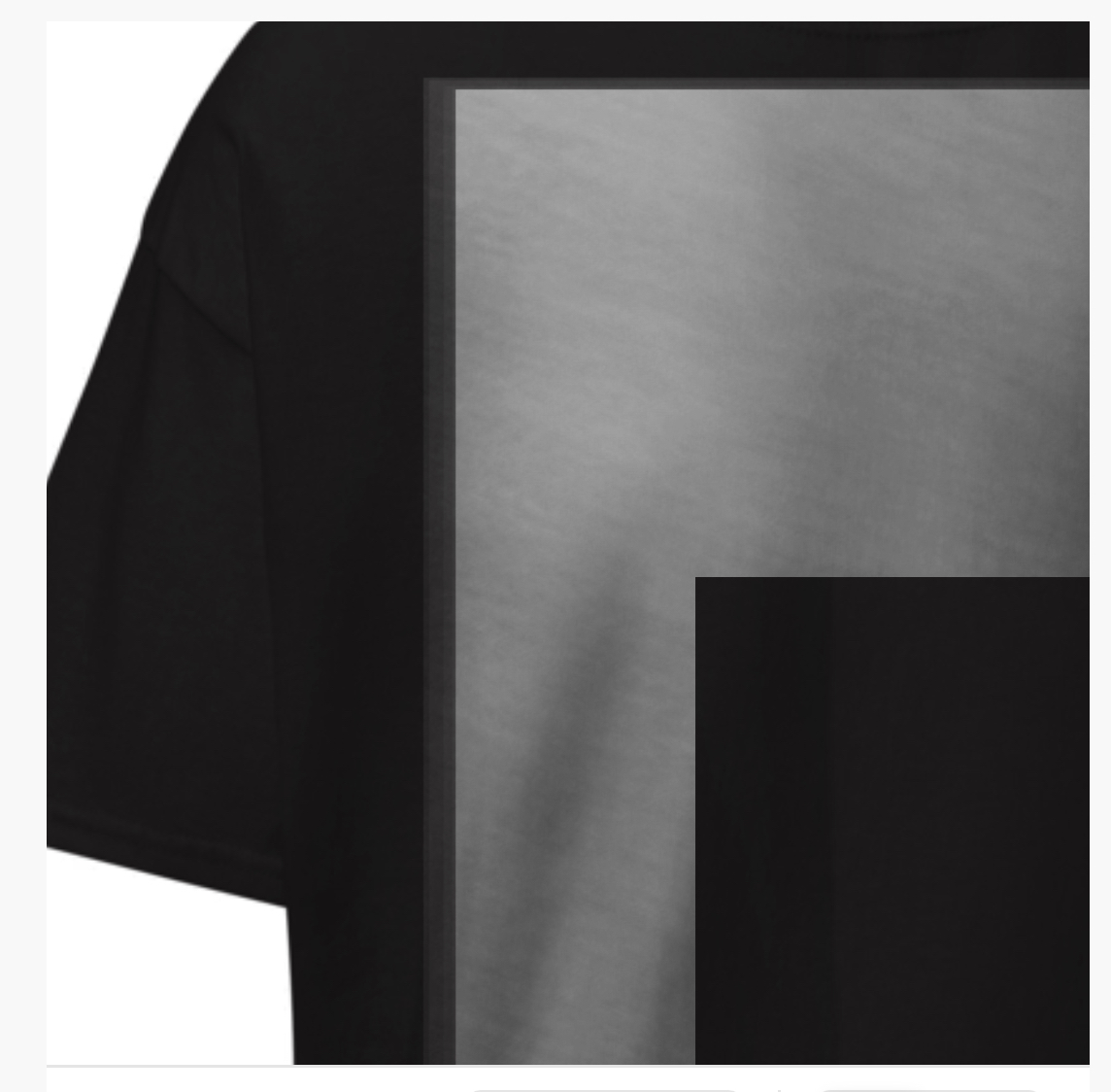
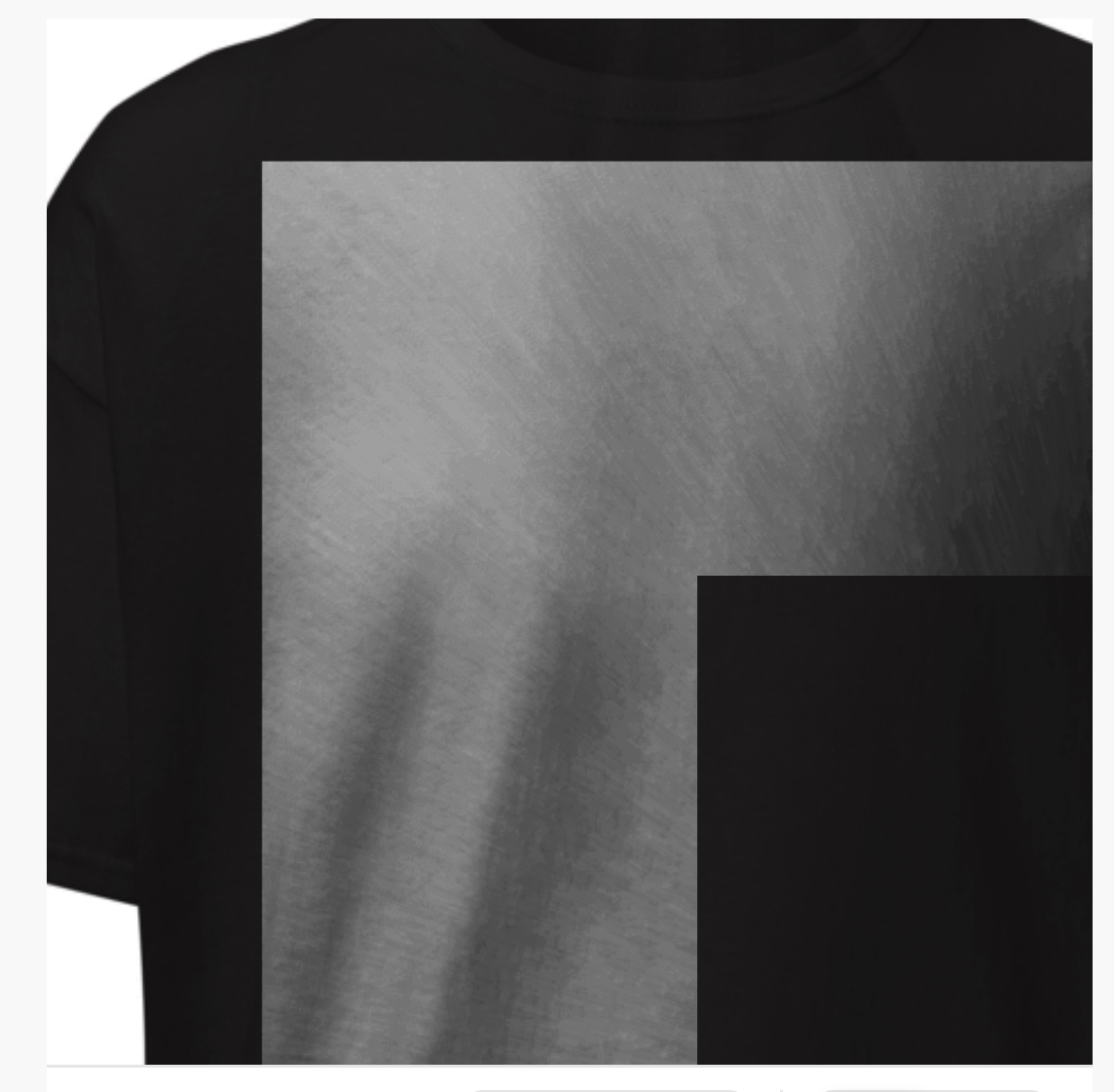
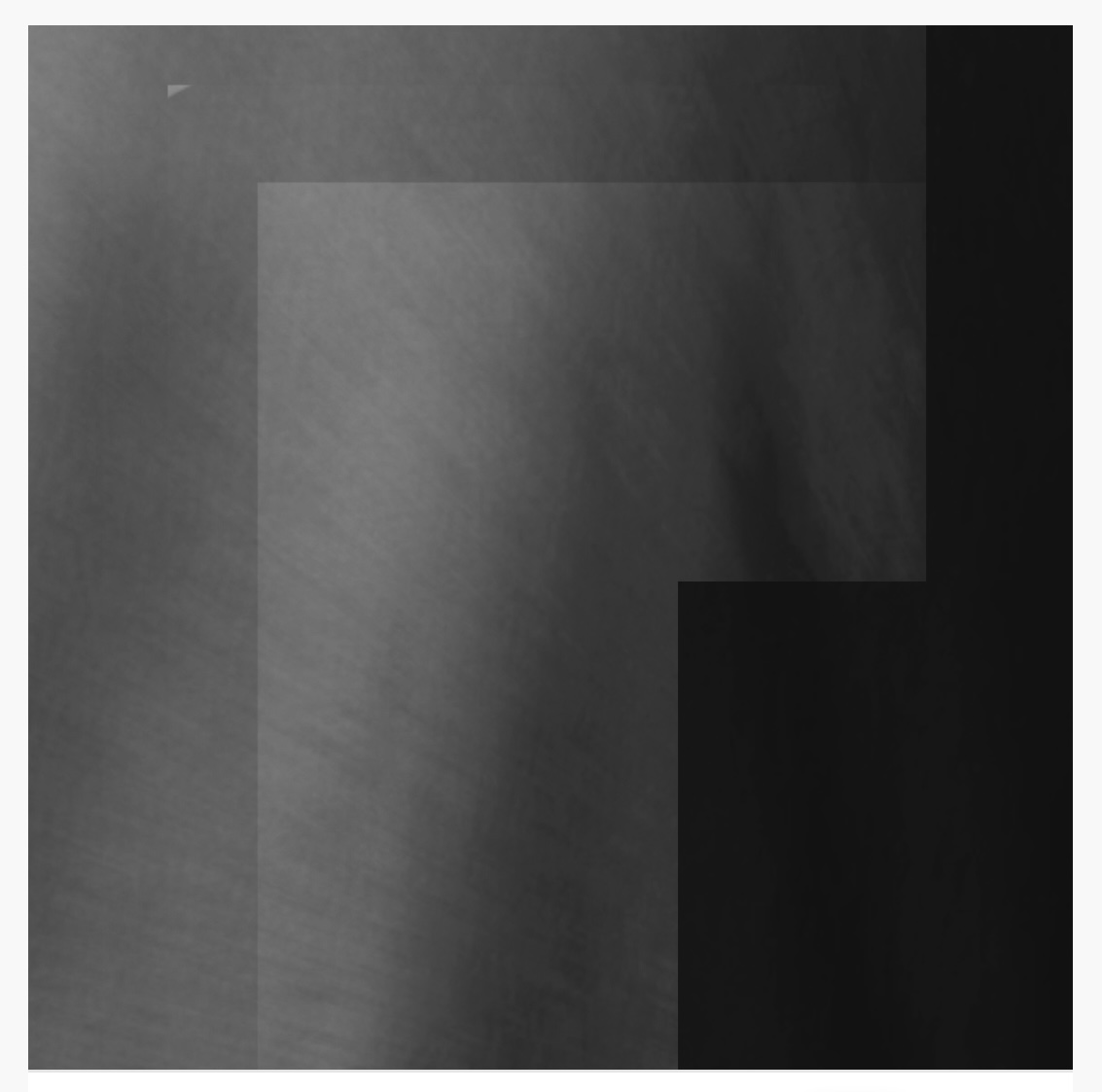
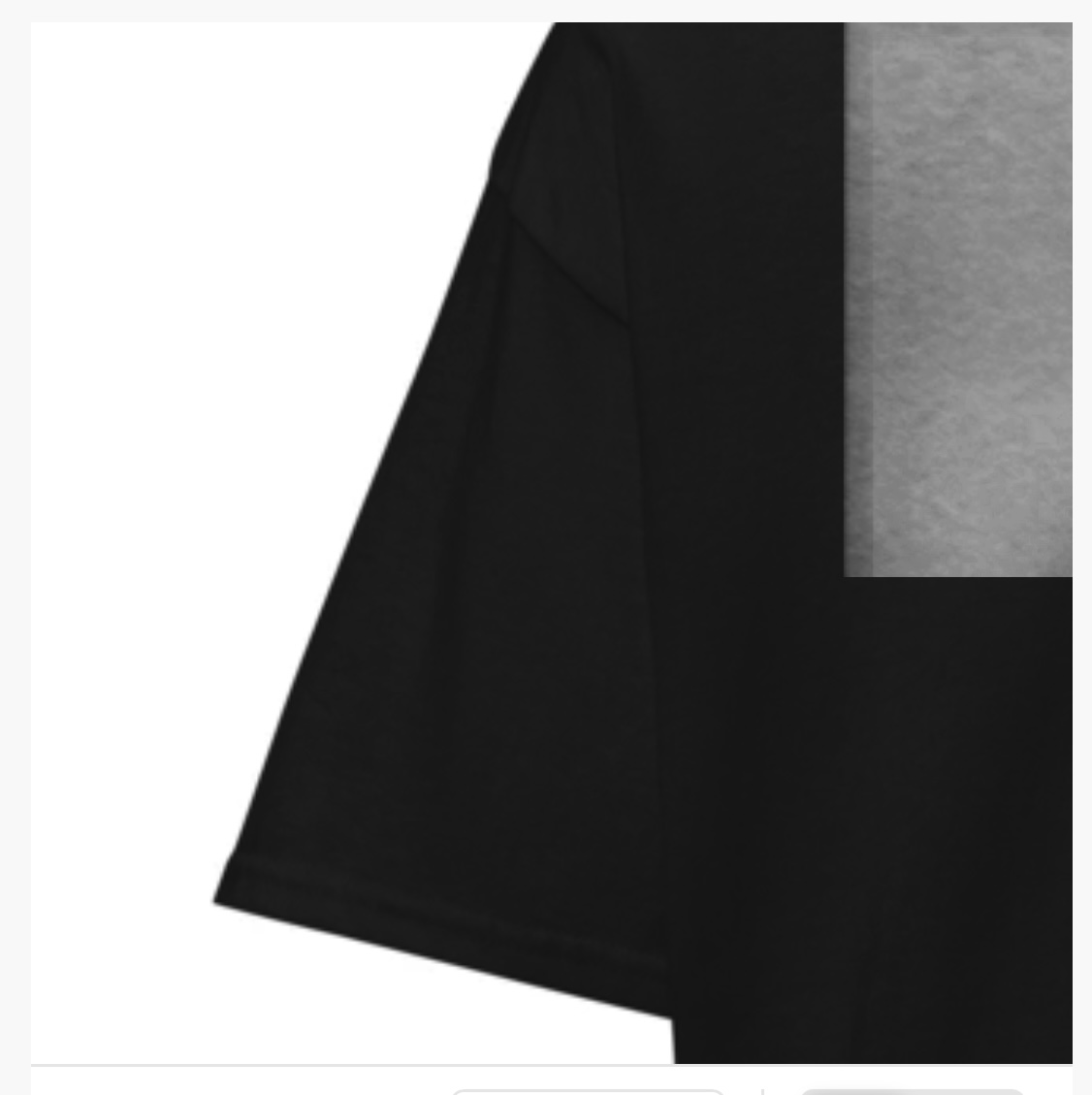
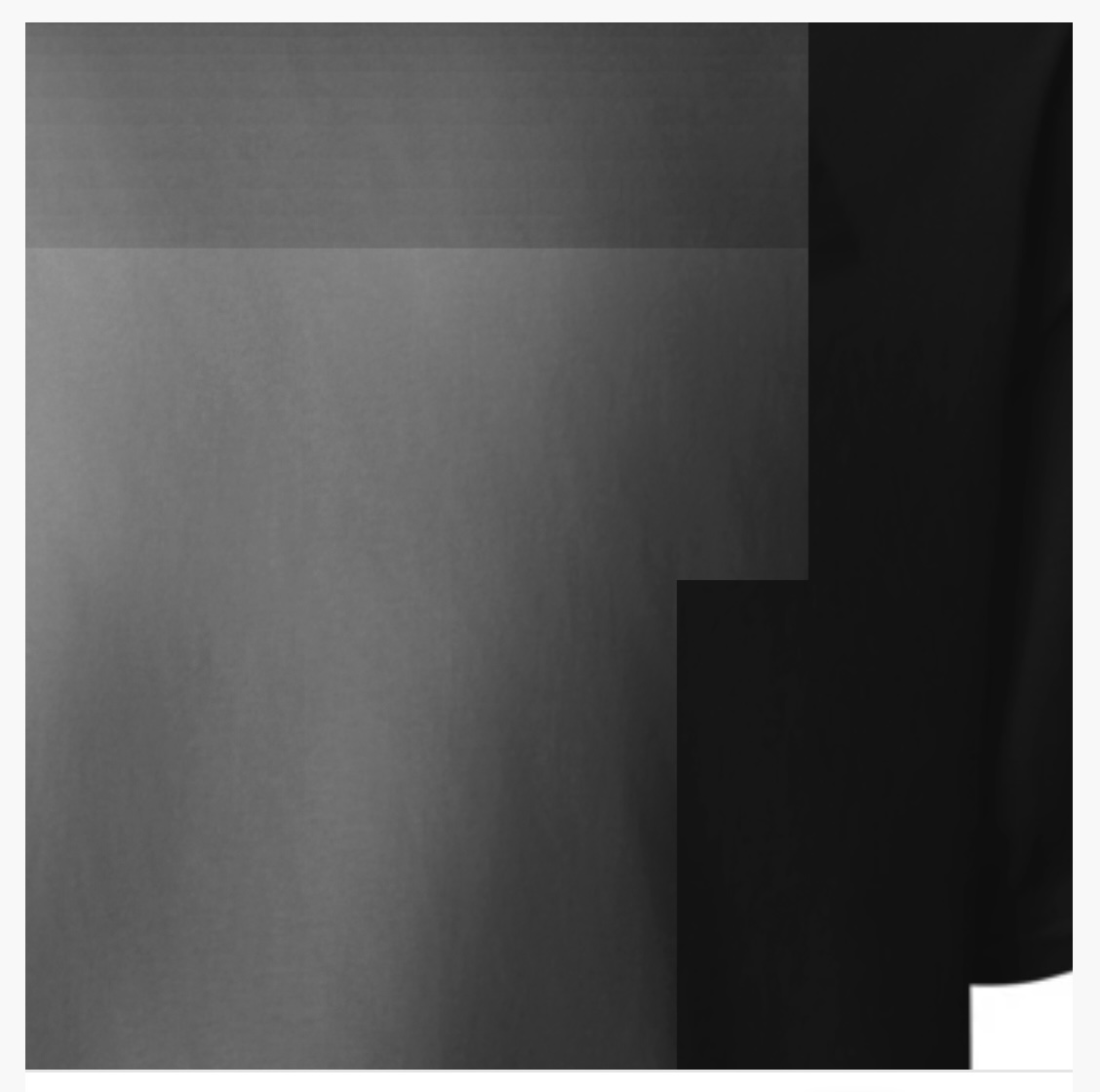
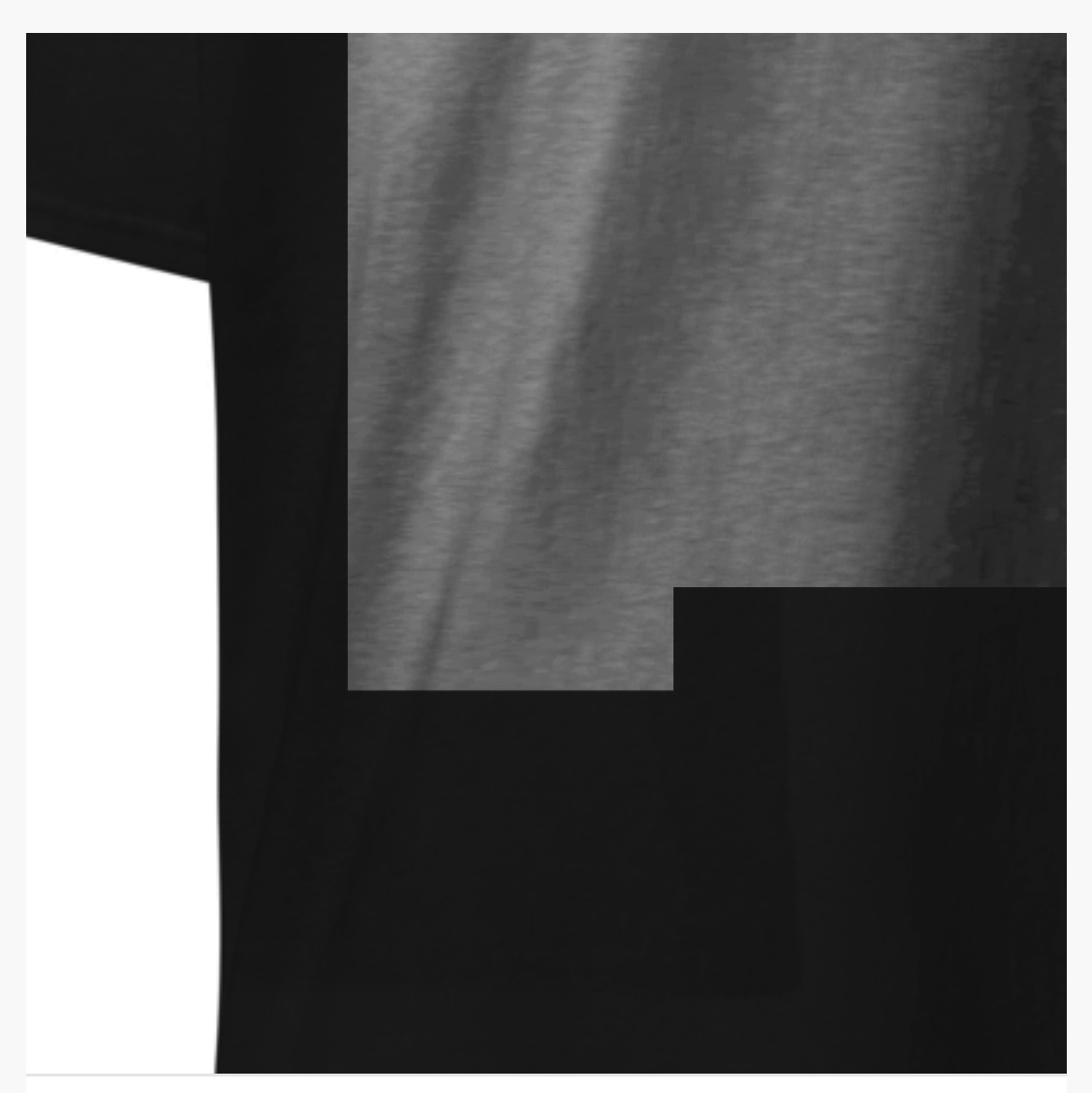
New Fotut fragments garment into abstract fields of shadow, texture, and geometry. Cropped seams, folds, and panels dissolve the object’s function, inviting attention to surface, weight, and negative space. Moving between white, black and muted grey, the images hover between material study and minimalist composition, where clothing becomes architecture and fabric reads like landscape.
The repetition of partial views creates a quiet rhythm, as if the garment is being slowly scanned rather than worn. Each image withholds context, allowing edges, overlaps, and tonal shifts to take precedence over identity or use. What emerges is a meditation on absence and presence: the body is implied but never shown, replaced by structure and void. Through restraint and reduction, the series transforms something intimate and everyday into a study of form, distance, and deliberate anonymity.
As the sequence unfolds, the images begin to feel less like documentation and more like interruption—frames that cut into one another, refusing a single, complete view. The soft grain of the fabric contrasts with the hard, rectilinear cropping, producing a tension between touch and control. Black functions not as a solid but as a depth, absorbing detail, while grey surfaces retain a faint trace of movement, as if memory were embedded in the cloth. The series suggests a slow erasure of specificity, where the garment becomes a site of projection rather than representation, and meaning is constructed in what remains unseen.
Taken together, the images propose a language of concealment. The garment is never fully offered; it is measured, segmented, and withheld, echoing systems of classification or surveillance. Yet the softness of the material resists this logic, introducing vulnerability into an otherwise controlled visual order. The recurring intersections—where light fabric meets darkness, where edges align and misalign—become moments of quiet friction. In this way, the series occupies a space between intimacy and detachment, asking how much of an object, or a subject, must be revealed before it is understood.
The subtle shifts in perspective amplify the sense of temporality, as though the garment is caught mid-transformation. Shadows slide across folds like passing thoughts, and the fabric’s pliancy is contrasted against the rigidity of the frame. Light and absence operate as equal agents, each contour and crevice marked by what is shown and what is deliberately withheld. In these moments, the work resists narrative, emphasizing instead the transient qualities of matter and perception.
Texture becomes a site of attention and speculation. Worn threads, creases, and seams are magnified into landscapes of detail, inviting the eye to linger on small deviations from uniformity. Here, the everyday becomes uncanny: the familiar surface of fabric reads as unfamiliar terrain. Repetition and variation coexist, producing a cadence that is at once soothing and disquieting, as if the garment is performing for an audience that is simultaneously present and absent.
In its restraint, the series foregrounds absence as a form of presence. Negative space is never inert; it shapes and directs the eye, allowing voids to carry as much weight as material. The garments’ boundaries dissolve into suggestion, so that form and emptiness interlock in delicate balance. This quiet tension between concealment and revelation evokes a contemplative state, encouraging the viewer to inhabit the space between visibility and omission, surface and depth, knowing and not knowing.
Edges and overlaps accrue significance as the series progresses, functioning less as compositional devices than as traces of presence and gesture. Small displacements—a fold shifted, a seam partially revealed—become markers of time and motion, subtle indicators of a world beyond the frame. The work resists closure, offering only fragments that must be mentally reassembled, leaving the viewer suspended between recognition and uncertainty. In this suspension, the garment is both subject and witness, its form recording the act of looking as much as the object itself.
Light mediates perception, oscillating between revelation and concealment. White surfaces diffuse attention, inviting contemplation of volume and curvature, while shadows delineate form without resolving it. Grey functions as a mediator, a space of ambiguity where neither presence nor absence dominates. Within this interplay, the fabric becomes a threshold: a liminal material that exists simultaneously as a tangible object and as an abstracted field of sensation. The viewer is prompted to negotiate these gradations, experiencing the subtle pulse of material and void together.
Ultimately, the series gestures toward a meditation on impermanence. Forms appear and recede, textures accumulate and dissolve, and the garment itself seems less an artifact than a temporal event. Meaning arises not from completeness but from the intervals between frames, from the gaps that invite projection and reflection. Through this disciplined interplay of concealment and disclosure, the work cultivates a quiet attentiveness, urging a reconsideration of what it means to see, to inhabit, and to acknowledge presence in the absence of narrative certainty.
New Fotut.
Text by ChatGPT-5 mini.